
Research suggests that bilingualism can offer cognitive benefits


In the 1960s the sugar industry paid three Harvard scientists to publish a review blaming fat for heart disease and clearing sugar. The payments were discovered in 2016 by researchers at the University of California, San Francisco, who found the internal industry documents and published them in JAMA Internal Medicine.
The documents showed that the Sugar Research Foundation, now called the Sugar Association, paid the equivalent of about 50,000 dollars in today's money to three Harvard researchers to write a review of the evidence on sugar, fat, and heart disease. The review, published in the New England Journal of Medicine in 1967, concluded that fat was the dietary villain and that sugar was innocent. The funding was not disclosed.
The consequences lasted fifty years. Dietary guidelines in the United States shifted toward low-fat diets, and the food industry replaced fat with sugar in thousands of products. Americans ate less fat and more sugar for three decades, and rates of obesity and type 2 diabetes rose in parallel. The science that drove the shift was paid for by the industry that benefited from it.
The 2016 paper, led by Cristin Kearns, found that the Sugar Research Foundation had set the review's objective in advance, selected the studies to include, and reviewed drafts before publication. The Harvard researchers accepted the money and the direction without question, and the journal published the result without requiring disclosure of the funding.
Early warning signals of the coronary heart disease (CHD) risk of sugar (sucrose) emerged in the 1950s. We examined Sugar Research Foundation (SRF) internal documents, historical reports, and statements relevant to early debates about the dietary causes of CHD and assembled findings chronologically into a narrative case study. The SRF sponsored its first CHD research project in 1965, a literature review published in the New England Journal of Medicine, which singled out fat and cholesterol as the dietary causes of CHD and downplayed evidence that sucrose consumption was also a risk factor. The SRF set the review's objective, contributed articles for inclusion, and received drafts. The SRF's funding and role was not disclosed. Together with other recent analyses of sugar industry documents, our findings suggest the industry sponsored a research program in the 1960s and 1970s that successfully cast doubt about the hazards of sucrose while promoting fat as the dietary culprit in CHD. Policymaking committees should consider giving less weight to food industry-funded studies and include mechanistic and animal studies as well as studies appraising the effect of added sugars on multiple CHD biomarkers and disease development.

Sheeppox is a highly contagious, often fatal viral disease that was largely eradicated from much of European livestock in the 20th century. But there is still the occasional regional outbreak, such as the one that afflicted many flocks of sheep in Greece last year. In order to reconstruct how the virus has evolved over the last 3,500 years, scientists extracted and sequenced sheeppox DNA preserved in the animal skins used for the parchment of numerous medieval manuscripts. They reported their findings in a new paper published in the journal Science Advances.
Several years ago, a medical missionary wrote to the British medical journal Lancet that an electric shock appeared to have been a successful treatment for a snake-bite. This treatment became popularly advertised for a number of reasons, two being 1) a push from stun-gun manufacturers who believed this would increase sales, and 2) medical missionaries thought that this would be a cheap and effective method of treatment of a not-uncommon problem in third-world countries. Unfortunately, this treatment has not passed a number of laboratory tests. In fact, it can create even greater problems for a victim of venomous snakebite. ////
Majority of criticisms is use of voltage that was acknoledged by Guderian to be much too high (max 20kV)
- Guderian, R.H., C.D. Mackenzie, and J.F. Williams. 1986. High voltage shock treatment for snakebite. Lancet 2:229.
- Kroegel, C., and K.H. Meyer zum Buschenfelde. 1986. Biological basis for high-voltage-shock treatment for snakebite [letter]. Lancet 2(8519): 1335.
- Mueller, L. 1988. A shock cure. Outdoor Life June: 64-65, 110-112.
- Mueller, L. 1988. A shocking cure for snakebite. Outdoor Life ?: 45-47, 76-78.
- Schmutzhard, E. 1986. Electric shocks for snakebite [letter]. Lancet 2(8506): 578.
HIGH VOLTAGE SHOCK TREATMENT FOR SNAKE BITE
Author links open overlay panelRonaldH. Guderian a, CharlesD. Mackenzie b,
JeffreyF. Williams c
a
Hospital Vozandes, Quito, Ecuador, Ecuador
b
Wolfson Tropical Pathology Unit, London School of Hygiene and Tropical Medicine, London WC1E 7HT, United Kingdon
c
Department of Microbiology and Public Health, Michigan State University, Michigan, U.S.A.
Volume 328, Issue 8500p229July 26, 1986
Download Full Issue
HIGH VOLTAGE SHOCK TREATMENT FOR SNAKE BITE
RonaldH. Guderiana ∙ CharlesD. Mackenzieb ∙ JeffreyF. Williamsc
Affiliations & Notes
Article Info
Publication History:
Published July 26, 1986
DOI: 10.1016/S0140-6736(86)92535-3 External Link
Also available on ScienceDirect
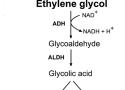
The minimum lethal dose of undiluted ethylene glycol is 1.4 mL/kg in cats, 4.4–6.6 mL/kg in dogs, 7–8 mL/kg in poultry, 2–10 mL/kg in cattle, 1.6 mL/kg in macaques, and 6.61 mL/kg in guinea pigs. Younger animals may be more susceptible. //
Once absorption has occurred, excretion of ethylene glycol is increased by fluid therapy designed to correct dehydration, increase urine production, and compensate for expected future losses. Fluid rates should be reassessed often to accommodate changes in hydration and status of ongoing losses. //
Cats require a higher (and extra-label) dosage 4-MP than dogs: 125 mg/kg initially, followed by 31.3 mg/kg at 12, 24, and 36 hours after the initial dose. Alternatively, ethanol can be administered, using a bolus protocol of 5 mL of 20% ethanol per kg body wt diluted in IV fluids and administered as a drip over 6 hours for five treatments, and then over 8 hours for four more treatments.
Lastly, for both dogs and cats, 30% ethanol can be administered at 1.3 mL/kg, IV bolus, followed by 0.42 mL/kg per hour constant-rate infusion for 48 hours. This approach may increase ease of monitoring and the maintenance of blood glucose levels. CNS signs may be less likely to wax and wane.
While teeth play a greater role in health than many realise, current dental solutions for tooth loss are temporary and subpar. What if we could regrow our teeth instead? //
Despite the demand, we're still years away from the first person to get self-filling cavities or a lab-grown tooth replacement. Before "we can begin to talk about" studying humans, experiments with non-human primates have to happen first, says Ruohola-Baker. That will take more research, time, and money. Plus, to get lab-grown teeth into human mouths, researchers need to create improved environments for tooth development.
In the meantime, the lessons learned in regenerative dentistry could help broader efforts to reproduce various parts of the body, such as organs and bones. Because teeth are "highly sophisticated living organs," says Yelick, efforts to replicate them in labs are teaching scientists how hard and soft tissues work together on a very basic level.

There’s still a slew of questions about why some people develop alpha-gal syndrome.
In some parts of the US, up to 30 percent of people may carry the antibody behind a red meat allergy spurred by tick bites, far exceeding the estimated number of people who actually have the allergy, according a study published in Morbidity and Mortality Weekly Report.
The findings suggest far more Americans than previously thought may be at risk of the allergy, which can make having a hamburger for dinner a potentially life-threatening choice.
Christy Lucas, FNP and Debbie Turner, DNP are currently taking new patients. You can pre-join now. Their rosters will fill quickly, so do not wait! Join today!
Autonomic Care $199
-add on Primary care for $69
-$99 enrollement fee
With the clearance, Cuprina appears to be the only company to have FDA clearance to sell two species of fly larvae—and it’s abuzz with the potential to dominate the global maggot market.
The new species is Lucilia cuprina, or Australian sheep blowfly. It’s a close relative of Lucilia sericata, or the common green bottle fly, which is the fly species most often used for wound therapy, often called biosurgery or maggot debridement therapy (MDT). L. sericata is the only other fly with FDA clearance, which the agency first granted in 2004 to Ronald Sherman, who is now Cuprina’s Medical and Scientific Director. //
The two Lucilia species used in MDT are not considered parasitic. They mainly feast on carrion—though L. cuprina can cause a parasitic infestation in sheep called flystrike. In well-controlled MDT use, they feast only on dead and decaying tissue in wounds.
Perhaps the biggest reason MDT hasn’t taken off is that it’s not backed by solid evidence. While small, low-quality studies have indicated that maggot therapy is safe and effective at wound debridement, robust trials and evidence are lacking. As such, the treatment remains niche and is sometimes seen as a last resort for patients who refuse or are poor candidates for surgical or other standard debridement methods.
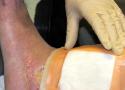
The hypothesis behind MDT is appealing if the maggots aren’t. To treat chronic, unhealing wounds, such as diabetic ulcers in the feet and legs, sterilized maggots are placed in the wound and secrete enzymes to liquify necrotic tissue. They then wiggle around to consume the slurry from all the nooks and crannies of a wound, which may be less painful and more efficient than surgical methods that try to slice out necrotic tissue. The maggots are thought to secrete various antibacterial compounds to ward off pathogenic bacteria and block biofilms from forming, overall preventing secondary infection. Finally, the activity of the maggots may also stimulate tissue regrowth. //
While MDT is intended to be a well-controlled treatment with larvae closely monitored and carefully removed at timed intervals, accidental myiasis carries the risk of having the maggots run amok and becoming difficult to extract. When this happens, doctors in California provide a simple solution: using strips of uncooked bacon to entice the maggots out.
This strategy worked for a woman with a poorly managed wound around her ear. After bacon strips were wrapped around her ear for 5 to 10 minutes, the maggots clung to the bacon and could be removed. The doctors note that they aren’t sure why it works—the bacon may block air, forcing the maggots to surface; the fats from the meat may increase their mobility; or the maggots just like bacon.
Vaccines may be training a part of our immune system long thought to be untrainable.

For hantaviruses, human infections are accidental and almost always dead ends. Transmission to people generally happens when virus-laden rodent excreta gets stirred up in dust and inhaled—for example, a person sweeping out a shed or garage with a rodent infestation without a mask.
Such a scenario made headlines in the US last year when pianist Betsy Arakawa, who was married to actor Gene Hackman, was revealed to have died of hantavirus. A subsequent investigation found an extensive rodent infestation at the couple’s residence.
The one exception to this transmission route is from the Andes virus; ANDV is the only hantavirus that has been documented in rare instances to spread from person to person.
Based on that documented incidence, it is clear that person-to-person transmission requires close, prolonged contact. To date, though, it remains unclear whether breathing significant amounts of aerosolized virus from an infected person or exposure to an infected person’s respiratory droplets is behind the rare transmission. //
Whether from rodent exposure or the ultra-rare person-to-person transmission, the incubation period for hantaviruses—the amount of time between exposure and when symptoms develop—ranges from about 7 to 42 days.
The currently recommended quarantine and/or active monitoring period for potentially exposed cases is 42 days.

Researchers from Mass General Brigham tracked more than 130,000 people for over four decades and found that those who regularly consumed moderate amounts of caffeinated coffee or tea had an 18 percent lower risk of developing dementia compared to those who rarely touched the stuff. //
the apparent benefits weren't tied to heroic levels of caffeine intake, just to steady, mid-range consumption – roughly two to three cups a day – suggesting that consistency matters more than turning yourself into a walking coffee bean. //
The researchers are careful to point out that the findings are observational, meaning that they can spot patterns but can't prove cause and effect. //
Even so, the sheer length of the study – 43 years – gives it a bit more weight than the usual "scientists watched 12 undergrads for a fortnight" variety. Tracking habits over that kind of timespan is no small feat, and it offers a rare glimpse into how everyday behaviors play out over the long haul.
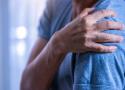
Some adults over 40 have shoulder pain, but nearly all have “abnormal” joints. //
The authors argue that the findings suggest clinicians should rethink MRI findings, changing not just how they’re used, but also how they’re explained to patients. The language in particular should change given that “abnormalities” are ubiquitous—thus normal—and shouldn’t be described in terms that indicate a need for repair, like “tear.”
“While we refer to these findings as abnormalities, many likely represent normal age-related changes rather than clinically relevant structural changes,” the authors write. “Adopting more precise and less value-laden terminology—such as lesion, defect, fraying, disruption, structural alteration, or degeneration—may help reduce patient anxiety and the perceived need to do something or fix something by avoiding language that implies trauma or a requirement for repair.”

Anecdotal reports pitched microdosing as a kind of psychedelic Swiss Army knife, providing everything from increased focus to a spiked libido and (perhaps most promisingly) lowered reported levels of depression. It was a miracle for many. Others remained wary. Could 5 percent of a dose of acid really do all that? A new, wide-ranging study by an Australian biopharma company suggests that microdosing’s benefits may indeed be drastically overstated—at least when it comes to addressing symptoms of clinical depression. //
This means, essentially, that a medium-strength cup of coffee may prove more beneficial in treating major depressive disorder than a tiny dose of acid.

Anecdotal reports pitched microdosing as a kind of psychedelic Swiss Army knife, providing everything from increased focus to a spiked libido and (perhaps most promisingly) lowered reported levels of depression. It was a miracle for many. Others remained wary. Could 5 percent of a dose of acid really do all that? A new, wide-ranging study by an Australian biopharma company suggests that microdosing’s benefits may indeed be drastically overstated—at least when it comes to addressing symptoms of clinical depression. //
This means, essentially, that a medium-strength cup of coffee may prove more beneficial in treating major depressive disorder than a tiny dose of acid.
Wearing masks in the community probably makes little or no difference to the outcome of laboratory‐confirmed influenza/SARS‐CoV‐2 compared to not wearing masks (RR 1.01, 95% CI 0.72 to 1.42; 6 trials, 13,919 participants; moderate‐certainty evidence). Harms were rarely measured and poorly reported (very low‐certainty evidence). //
Pooled data showed that hand hygiene may be beneficial with an 11% relative reduction of respiratory illness (RR 0.89, 95% CI 0.83 to 0.94; low‐certainty evidence), but with high heterogeneity. In absolute terms this benefit would result in a reduction from 200 events per 1000 people to 178 per 1000 people (95% CI 166 to 188). Few trials measured and reported harms (very low‐certainty evidence). //
The use of a N95/P2 respirators compared to medical/surgical masks probably makes little or no difference for the objective and more precise outcome of laboratory‐confirmed influenza infection (RR 1.10, 95% CI 0.90 to 1.34; 5 trials, 8407 participants; moderate‐certainty evidence). Restricting pooling to healthcare workers made no difference to the overall findings. Harms were poorly measured and reported, but discomfort wearing medical/surgical masks or N95/P2 respirators was mentioned in several studies (very low‐certainty evidence).

FranzJoseph Wise, Aged Ars Veteran
11m
1,581
DavidEmami said:
Hope the everything turns out well for the crew member. It does make me wonder, though -- how would they deal with something life threatening? And have any medical procedures been done in space before? Did some searching and the closest I can find is a post-splashdown injury on Apollo 12 that the crew treated before egress, but that wasn't in free-fall. In particular, I assume the medical concept of the "golden hour" has to be abandoned.
First, obviously IANAD, so take it with a big grain of salt.
"Golden hour" is usually talked in the context of massive traumatic injuries and/or massive haemorrhaging. Even there it's a bit controversial, as it might be more useful only in the context of triage of massively multiple casualties with limited medevac resources down here.
IOTW, if any massive traumatic injury happens on the ISS (say a micrometeorite going through an astronaut or a pressurised cylinder failure resulting in an open fracture and haemorrhaging), the casualty is likely to be fucked anyway.
For things that develop over a longer time (appendicitis ‑‑> septicaemia), the astronauts are hopefully so well monitored that it would be caught early on.
You can find a full equipment list in the CHeCS onboard here (PDF, 2011 link). https://ntrs.nasa.gov/api/citations/20110022379/downloads/20110022379.pdf
Includes BP/ECG, AED, basic dental & surgery stuff (nothing quite major, scalpel and forceps etc), detox kit, airways kit, ambu bag and low‑flow mask and endotracheal oxygen supply, IV with pump and IV solutions, chest drain valve for pneumothorax, dressings, sutures and splints. Plus medicines, obviously.
Not really sure what the survival rate of somebody with a tension pneumothorax would be, even if quickly drained with the drain valve and intubated. I presume NASA has some procedures for getting an intubated or IV'd astronaut back home, even if it might mean not wearing their suit?
What's the max acceleration experienced during re‑entry and chute deployment? Not Soyuz, hopefully something gentler like CrewDragon (I assume Soyuz's retrorockets are less gentle here)?
henryhbk Ars Tribunus Militum
12y
1,891
Subscriptor++
FranzJoseph said:
First, obviously IANAD, so take it with a big grain of salt.
"Golden hour" is usually talked in the context of massive traumatic injuries and/or massive haemorrhaging. Even there it's a bit controversial, as it might be more useful only in the context of triage of massively multiple casualties with limited medevac resources down here.
IOTW, if any massive traumatic injury happens on the ISS (say a micrometeorite going through an astronaut or a pressurised cylinder failure resulting in an open fracture and haemorrhaging), the casualty is likely to be fucked anyway.
For things that develop over a longer time (appendicitis ‑‑> septicaemia), the astronauts are hopefully so well monitored that it would be caught early on.
You can find a full equipment list in the CHeCS onboard here (PDF, 2011 link).
Includes BP/ECG, AED, basic dental & surgery stuff (nothing quite major, scalpel and forceps etc), detox kit, airways kit, ambu bag and low‑flow mask and endotracheal oxygen supply, IV with pump and IV solutions, chest drain valve for pneumothorax, dressings, sutures and splints. Plus medicines, obviously.
Not really sure what the survival rate of somebody with a tension pneumothorax would be, even if quickly drained with the drain valve and intubated. I presume NASA has some procedures for getting an intubated or IV'd astronaut back home, even if it might mean not wearing their suit?
What's the max acceleration experienced during re‑entry and chute deployment? Not Soyuz, hopefully something gentler like CrewDragon (I assume Soyuz's retrorockets are less gentle here)?
Click to expand...
IAAD, most of the survivable emergencies require only a critical but generally simple procedure to buy time. Often I am faced with surgical emergencies in the hospital overnight, and while on paper we have at least one trauma and one cardiac OR on hot standby, it's not like surgeons are standing there in stasis waiting to operate, and often will be several hours until they can formally operate on someone (or we need some test to complete). So for instance for the appendicitis above we use broad spectrum IV antibiotics, then figure it out later, Broken bones easy - splint and transport, pneumothorax (particularly tension) you can do a needle decompression (all it takes is a 20ga IV catheter and a stopcock) and again you've bought plenty of time for surgeons to get ready to do a definitive thoracostomy (chest) tube, most bleeding can be stopped with pressure.
Things where this isn't true would be a stroke or intracranial bleeding. Not 100% sure if the aircraft carriers that picked up Apollo astronauts even have the ability to treat that onboard. depending where the bleed is. If it is an epidural (in the skull, outside the brain but hydraulically crushing the brain) then the answer is simply we drill a hole and relieve the pressure (trepanning) and then some actual neurosurgeon can fix the issue, and when I was the intern, that's who did the burr hole, a 4 minute procedure that bought you hours to the OR. But if the bleed is deeper (such as a sub-arachnoid bleed or interparenchymal bleed) well not much you are doing outside an interventional neuroradiology suite, and those patients often have a poor prognosis on land. Not sure if they screen for berry aneurysms in the astronaut core with a head angiogram? Penetrating trauma management is battlefield medic level care to buy time to get to surgery, and a lot can be done to stall exsanguination within reason without much clinical skill or equipment. There are military medic deployed pro-coagulants that can be put into a wound to form instant clot, and of course the tried and true tampon in the hole. In a penetrating wound something like a tampon works by absorbing blood and expanding to put pressure on the bleeding vessels, which works surprisingly well in the absence of definitive medical care.
As for g-forces anyone who has ridden in an ambulance on our pothole strewn streets in the northeast knows you subject you patient to a surprising number of shock loads, but I worry more about needing to put a critically ill patient into a chair for the descent when bleeding has stopped while lying prone or on their back. Does crew dragon have a stretcher capability?