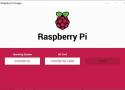
Raspberry Pi Imager is a tool created by the Raspberry Pi Foundation to install new systems on the tiny Raspberry Pi. SD cards and USB drives are supported, as well as the most popular operating systems. It’s also possible to flash any custom image for the Raspberry Pi.


Add these two lines to /boot/config.txt and reboot Raspbmc:
hdmi_force_hotplug=1
hdmi_drive=2
hdmi_force_hotplug=1 sets the Raspbmc to use HDMI mode even if no HDMI monitor is detected. hdmi_drive=2 sets the Raspbmc to normal HDMI mode (Sound will be sent if supported and enabled). Without this line, the Raspbmc would switch to DVI (with no audio) mode by default.

Open a terminal and run the following command:
sudo raspi-configThis will open a terminal user interface (TUI) with several options to configure your Raspberry Pi.
Use the arrow keys to move down to the Advance Options. When the line is highlighted, press Enter. //
Check if you are using Wayland or Xorg with the following command:
echo $XDG_SESSION_TYPE
In this tutorial, we will show you how you can use the Syncthing software on your Raspberry Pi.