Daily Shaarli
June 27, 2026
985,841 passport scans (including mine), and the private messages of every member it ever served on a server with no authentication //
1,020,457 members 94% of the total are classified by the software as medicinal cannabis users. Whether they used the PuffPal app or not. Whether they had ever heard of PuffPal or not.
Under GDPR Article 9, health data is the most protected category of personal information. It cannot be processed without explicit consent and adequate safeguards. A breach of health data triggers the highest tier of regulatory penalties up to €20 million or 4% of global annual turnover. The standard notification obligations under Article 33 apply within 72 hours of discovery.
The irony is architectural. The clubs collect all this information, apply a medical classification to every member, store that classification alongside passport scans and home addresses and then left all of it accessible via an unauthenticated HTTP endpoint that accepted any integer from 1 to however many members the club had.
The physical bouncer at the door checks your member card. The digital one wasn't there.
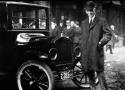
The ferry broke down at exactly the wrong moment for everyone except Henry Ford.
On June 8, 1909, two stripped-down Ford Model Ts rolled onto a little wooden ferry at Glasgow, Mo., and crossed the Missouri River. The cars were filthy, the men inside them were running on fumes, and a Boston-built Shawmut was closing fast behind them in a cross-country race.
Then the ferry quit. The boat that’d just carried the Fords to the western bank suddenly couldn’t return for the Shawmut or the Acme, another trailing car. The official explanation was mechanical failure, but the timing looked almost theatrical. //
The Shawmut crew, stranded on the wrong side of the river, had a choice. They could lose hours searching for another crossing. Or they could aim the car toward the railroad bridge looming above the water, a half-mile of ties, gaps and terror, with no guarantee a train wouldn’t come roaring through. They chose the bridge.