
While lawyers in the Tennessee transgender care ban case were slugging it out in court last week, the UK was putting the finishing touches on a “holistic” approach to pediatric transgender care—one that has broad, bipartisan support and is grounded in mental health protocol rather than risky, unproven drugs.
On Wednesday, the left-leaning Labour government announced that puberty blockers for minors with gender dysphoria would be banned indefinitely across the UK, except for use in clinical trials.
The announcement follows an emergency ban that extended to private providers beginning in May 2024, after the landmark Cass Review on children’s gender care found there was insufficient evidence to show these drugs were safe. It was a temporary measure enacted by the then-Conservative government and later upheld against a challenge in court, as we reported here. //
In October, Cass told The Times she attributes the report’s ongoing success to broad, cross-party support that kept it from becoming “a political hostage to fortune.”
So far, Cass—now Baroness Cass of Barnet to us—seems to be right. The UK did what the US failed to do: take the politics out of children’s medicine.



Progressives often cite Canada as a glorious utopia of good health and freedom.
Those of us who get our news from more reliable sources know that the opposite is the case.
But, personally, I did not have the return of the scourge of 15th-century sailors on my 2024 bingo card either.
Research by a young Canadian doctor working in Hamilton suggests that scurvy, a disease we mostly associate with life on sailing ships centuries ago, may be more prevalent in modern Canada than we might have thought. //
It also takes very little vitamin C to prevent scurvy. A single orange has five times the daily dose of vitamin C necessary to prevent scurvy.

The CDC notes that small children can have up to 10 grams of stool stuck to their butts at any point, according to some crack scientific modeling. That's about 10 standard paperclips worth of excrement. And small children tend to stand directly over jets, allowing any fecal matter stuck on their bums to wash out of their swim diapers—which do not trap poop. Some splash pads recirculate water. And among the kids who aren't standing on the jets, there are others putting their open mouths over them.
Once infectious material gets into the water, disinfection systems that aren't working properly or are inadequate can allow pathogens to gush from every nozzle. Splash pads aren't unique in having to handle sick children in poopy swim diapers—but they are unique in how they are regulated. That is, in some places, they're not regulated at all. Splash pads are designed to not have standing water, therefore reducing the risk of young children drowning. But, because they lack standing water, they are sometimes deemed exempt from local health regulations. //
The primary method for keeping recreational water free of infectious viruses and bacteria is chlorinating it. However, maintaining germ-killing chlorine concentration is especially difficult for splash pads because the jets and sprays aerosolize chlorine, lowering the concentration.
Still, in most splash-pad linked outbreaks, standard chlorine concentrations aren't enough anyway. The most common pathogen to cause an outbreak at splash pads is the parasite Cryptosporidium, aka Crypto. The parasite's hardy spores, called oocysts, are extremely tolerant of chlorine, surviving in water with the standard chlorine concentration (1 ppm free chlorine) for over seven days. (Other germs die in minutes.) In splash pads that might not even have that standard chlorine concentration, Crypto flourishes and can cause massive outbreaks.
In 2023, the CDC recommended new health codes that call for "secondary disinfection" methods to keep Crypto at bay, including disinfection systems using ozone or ultraviolet light. Another possible solution is to have "single-pass" splash pads that don't recirculate water. //
scarletjinx Ars Scholae Palatinae
4y
1,055
Subscriptor
Ah, as gross as this is (thank you Beth), if you kinda think through the numbers - 25 years of data, 60 outbreaks (2.4/year) - with most likely tens of millions of children playing in those splash pools in that 25 year period. 10k vs 10's of millions. Then looking at hospital visits - ~150 & 99 ER visits; yet there are over 200,000 ER visits from playground accidents each year by comparison.
Not a significant risk at all.
Look, any parent will tell you - kids are basically little petri dishes. They bring home colds & such from school & other venues, etc; germs from playing in playgrounds, pools, sandboxes. It's a thing, and the only recourse for the germophobes would be to raise the kid in a bubble with no contact to anything. Which might bring its own health problems.
That being said, I probably wouldn't have let my kid play in water where other kids with diapers were playing, that is kinda gross. If you got a kid in diapers perhaps be considerate of others and let your kid play in a home kiddie pool, not in a public space. But many people aren't considerate of others, look at a movie theater floor sometime after the lights come on.

The House Select Subcommittee on the Coronavirus Pandemic released its final report Monday, making numerous findings that would have gotten people deplatformed four - or even three - short years ago, and some of the points upon which there was bipartisan consensus will rock the minds of the Covidian cult.
Rep. Brad Wenstrup (R-OH), a physician, chaired the committee.
Entitled “After Action Review of the COVID-19 Pandemic: The Lessons Learned and a Path Forward," the report begins with Wenstrup outlining those points of bipartisan consensus:
- The possibility that the COVID-19 virus emerged because of a laboratory or research related accident is not a conspiracy theory.
- EcoHealth Alliance, Inc., and Dr. Peter Daszak should never again receive U.S. taxpayer dollars.
- Scientific messaging must be clear and concise, backed by evidentiary support, and come from trusted messengers, such as front-line doctors treating patients.
- Public health officials must work to regain Americans' trust; Americans want to be educated, not indoctrinated.
- Former New York Governor Andrew Cuomo engaged in medical malpractice and publicly covered up the total number of nursing home fatalities in New York.
According to Wenstrup, the committee also made numerous findings, including (but not limited to):
- The U.S. National Institutes of Health funded gain-of-function research at the Wuhan Institute of Virology.
- The Chinese government, agencies within the U.S. Government, and some members of the international scientific community sought to cover-up facts concerning the origins of the pandemic.
- Operation Warp Speed was a tremendous success and a model to build upon in the future. The vaccines, which are now probably better characterized as therapeutics, undoubtedly saved millions of lives by diminishing likelihood of severe disease and death. //
Contrary to what was promised, the COVID-19 vaccine did not stop the spread or transmission of the virus.
Vaccine mandates trampled individual freedoms and harmed military readiness.
And, most importantly, the committee found that "a lab-related incident involving dangerous gain-of-function research in China is the most likely origin of the COVID-19 pandemic." //
TXavatar
11 hours ago edited
I work in clinical drug trials and the key words missing from the discussion is "informed consent" which is the moral and legal bedrock of all medical treatments. With such a limited time to test, the drugs were not vaccines but rather experimental treatments and given liability exemption as a result. That could have been acceptable if presented as such to the concerned populace. However, when they were falsely promoted as vaccines and the population was coerced/mandated in to receiving them, "informed" and "consent" was thrown out the window.

While Gottlieb has the right to talk to as many senators as he wishes, I would suggest that his talk of a polio epidemic is more to scare than enlighten them. His real fear is that RFK, Jr., will upset the comfy, one-hand-washes-the-other that exists between regulators and regulated industries and the high-paying revolving door that shuttles regulators to regulated industries and then back to regulatory agencies. //
anon-89ic
13 hours ago
More likely than not, childhood vaccination rates are vastly lower than reported. As I've said many times, I never had those shots because the adverse reactions scared my doctors in the early 1970s, and my kids' pediatrician in the 90s never questioned the decision about whether or not to vaccinate our kids. Vaccination rates have dropped precipitously because so many parents don't trust the FDA. that's why Bobby's efforts, if they restore confidence in the FDA, may bolster vaccination rates, not lower them. Gottlieb is on the dark side and can't be trusted. //
jdquick
11 hours ago
The only thing I got to say is follow the money. Big Pharma is running scared and my bet is that they are spending millions on senators to kill RFK Jr's nomination. He will make them pay for what they have done to this country and they want to keep the gravy train rolling......for their fake vaccines and medicine for every little ache you have. Also, the medical community has probably chipped in a bunch because they follow their masters in big pharma.. //
Yoganana QueenieAnne
3 hours ago
Chicken pox vax is definitely one which cost benefit analysis needs to be done. we used to have chicken pox parties to get the disease immunity. You are correct that the epidemic of shingles is due to lack of community re exposure to chicken pox since the vaccine.
The pertussis ( whooping cough) vax does not prevent transmission, My sister and I had it after being vaxxed.
Measles may have some serious consequences: measles encephalitis, and other disabilities. But….what is the track record on the vaccination preventing it?
India saw an epidemic of polio cases resulting in some deaths and paralysis after Gates ran his polio vaccine program. India stopped the program and kicked him out.
Babies are routinely given the hepatitis vax in the nursery. What is their risk factor? Definitely stay away from HPV VAX, ( gardisil.) pediatricians are recommending it as part of the schedule for 11 year olds! It has had some severe disabling results.
RFK Jf is not eliminating vaccines. He is calling for an honest and thorough review of the literature and evaluation based on adverse events versus benefits.

In a case of an oft-overlooked food preparation risk, a 40-year-old man showed up to an allergy clinic in Texas with a severe, burning rash on both his hands that had developed two days earlier. A couple of days later, it blistered. And a few weeks after that, the skin darkened and scaled. After several months, the skin on his hands finally returned to normal.
The culprit: lime juice and sunlight.
It turns out that just before developing the nasty skin eruption, the man had manually squeezed a dozen limes, then headed to an outdoor soccer game without applying sunscreen. His doctors diagnosed the man's rash as a classic case of phytophotodermatitis, according to a case report published Wednesday in the New England Journal of Medicine.
The condition is caused by toxic substances found in plants (phyto) that react with UV light (photo) to cause a burning, blistering, scaling, pigmented skin condition (dermatitis).
Specifically, the toxic chemicals are furocoumarins, which are found in some weeds and also a range of plants used in food. Those include celery, carrot, parsley, fennel, parsnip, lime, bitter orange, lemon, grapefruit, and sweet orange. Furocoumarins include chemicals with linear structures, psoralens, and angular structures, called angelicins, though not all of them are toxic.
Furocoumarins can enter skin cells, and for those that are phototoxic, become activated by exposure to ultraviolet light. The light causes the chemicals to form cross-linking bonds with the pyrimidine bases in DNA. This ties the double-stranded genetic material together, halting replication, which in turn leads to cell death and inflammation. //
Edgar Allan Esquire Ars Tribunus Militum
7y
2,830
Subscriptor
jtwrenn said:
I am just curious...did he squeeze a bunch of limes then not wash his hands? Is it as simple as wash places contacted by vegetables or this could happen to you? Or is this something we are just always rolling the dice on and there i no simple way to keep it from happening except to stay out of the sun?
Did a little googling out of curiosity:
(from webmd)
It takes between 30 to 120 minutes before psoralen is absorbed into your skin. If you can wash it off before it has time to absorb, you can prevent the chemical reaction to the sun.
Bartenders that work outdoors apparently call it "margarita burn" as a trade risk. //
Arstotzka Ars Scholae Palatinae
8y
863
Subscriptor++
Wash your hands and apply sunscreen! There are plenty of other reasons why sunscreen is a good idea above and beyond preventing this kind of horribleness.

Collins frets about the politicization of science, but largely conflates science with his own political agenda. //
But don’t expect many mea culpas from Collins about his time at NIH. He offers no apology for funding the harvesting of body parts from late-term aborted babies for medical research. Or for financing research that used gender-destructive puberty blockers on young people. Likewise, he fails to acknowledge his past promotion of the failed Darwinian idea that our genome is swamped with “junk DNA.”
Nor does Collins take real ownership of his most significant missteps during Covid. During the rollout of the Covid vaccines, Collins falsely assured the public that mRNA from the vaccines wouldn’t stay in the body “beyond probably a few hours.” A subsequent study showed that the mRNA could persist in a person’s lymph system some two months after vaccination. Collins’ promotion of misinformation has been memory-holed. So has his emphatic promise in April 2021 that “There’s not going to be any mandating of vaccines from the U.S. government, I can assure you.” A few months later, Collins was praising the imposition of mandates as a “forceful, muscular approach” and demonizing those who didn’t want to take the vaccines as killers on the wrong side of history.
Collins does acknowledge problems with government messaging during Covid and the “collateral damage” inflicted on ordinary Americans by various policies. But he calls the collateral damage “inevitable.”
For many people, his admissions will be too little, too late. //
The most serious flaw is Collins’ core message. He frets about the politicization of science and the growing distrust of claims made in the name of science. He wants to restore public trust in “science” and the experts.
The problem is he largely conflates science with his own political agenda. By the end of the book, it becomes clear that for him “science” has become a convenient club to bludgeon people who disagree with him. //
His “pre-bunking” is entirely one-sided. His goal is to shut down critical inquiry, not cultivate it. //
Collins also suggests listening to people with whom you disagree. Unfortunately, he has spent much of his career doing the opposite.
In October 2020, three distinguished epidemiologists published the Great Barrington Declaration, which criticized the government’s lockdown policies. How did Collins respond? Did he convene a meeting with them to hear them out? No, he derided them in private as “fringe” figures and told subordinates: “There needs to be a quick and devastating take down” of their ideas. Collins expresses regret for his “intemperate” language, but says he has “no regrets for the point I made.”
In other words, he really hasn’t learned anything.
It’s precisely because Collins has insulated himself from fellow experts who disagree with him that he finds it so easy to caricature the viewpoints he opposes.
That is not the road to wisdom. It’s a road to folly.

Nuclear medicine is one of those cool specialities that doesn’t get enough attention. While nuclear energy has enjoyed a revival in recent years, little attention has been paid to nuclear medicine. That’s probably partly because explaining it in technical terms inevitably removes some of the magic and partly because many people fear radiation and don’t want to think about it.
But nuclear medicine deserves attention. Not all of the world's nuclear reactors are used for producing energy; they are also used for producing radioisotopes for medicine and industry, training, and other purposes. They are known as research reactors, and there are currently around 220 research reactors in 53 countries. In the heyday of nuclear development, in 1975, there were 373 neutron factories in 55 countries. //
Outside of the wealthier nations, there is a significant shortage of equipment and workforce for nuclear imaging around the world, and one study found that:
A comprehensive scale-up of imaging, treatment, and care quality would avert 9·55 million (12·5%) of all cancer deaths caused by the modelled cancers worldwide, saving 232·30 million life-years. Scale-up of imaging would cost US$6·84 billion in 2020–30 but yield lifetime productivity gains of $1·23 trillion worldwide, a net return of $179·19 per $1 invested.
Healthy people benefit humanity. For those living in the poorest nations to gain access to improved healthcare, nuclear medicine will play a vital role going forward, although when and how that will happen remains to be seen.

Whatever your office setup, the most important thing is to move. //
Without question, inactivity is bad for us. Prolonged sitting is consistently linked to higher risks of cardiovascular disease and death. The obvious response to this frightful fate is to not sit— move. Even a few moments of exercise can have benefits, studies suggest. But in our modern times, sitting is hard to avoid, especially at the office. This has led to a range of strategies to get ourselves up, including the rise of standing desks. //
However, studies on whether standing desks are beneficial have been sparse and sometimes inconclusive. Further, prolonged standing can have its own risks, and data on work-related sitting has also been mixed. While the final verdict on standing desks is still unclear, two studies out this year offer some of the most nuanced evidence yet about the potential benefits and risks of working on your feet.
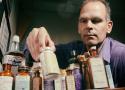
The box of prescription drugs had been forgotten in a back closet of a retail pharmacy for so long that some of the pills predated the 1969 moon landing. Most were 30 to 40 years past their expiration dates — possibly toxic, probably worthless.
But to Lee Cantrell, who helps run the California Poison Control System, the cache was an opportunity to answer an enduring question about the actual shelf life of drugs: Could these drugs from the bell-bottom era still be potent? //
The age of the drugs might have been bizarre, but the question the researchers wanted to answer wasn't. Pharmacies across the country in major medical centers and in neighborhood strip malls routinely toss out tons of scarce and potentially valuable prescription drugs when they hit their expiration dates. //
Experts estimate such squandering eats up about $765 billion a year — as much as a quarter of all the country's health care spending. //
The findings surprised both researchers: A dozen of the 14 compounds were still as potent as they were when they were manufactured, some at almost 100 percent of their labeled concentrations. //
"Refining our prescription drug dating process could save billions," he says.
But after a brief burst of attention, the response to their study faded. That raises an even bigger question: If some drugs remain effective well beyond the date on their labels, why hasn't there been a push to extend their expiration dates?
It turns out that the FDA, the agency that helps set the dates, has long known the shelf life of some drugs can be extended, sometimes by years.
In fact, the federal government has saved a fortune by doing this. //
For decades, the federal government has stockpiled massive stashes of medication, antidotes and vaccines in secure locations throughout the country. The drugs are worth tens of billions of dollars and would provide a first line of defense in case of a large-scale emergency.
Maintaining these stockpiles is expensive. The drugs have to be kept secure and at the proper humidity and temperature so they don't degrade. Luckily, the country has rarely needed to tap into many of the drugs, but this means they often reach their expiration dates. Though the government requires pharmacies to throw away expired drugs, it doesn't always follow these instructions itself. Instead, for more than 30 years, it has pulled some medicines and tested their quality. //
In 1986, the Air Force, hoping to save on replacement costs, asked the FDA if certain drugs' expiration dates could be extended. In response, the FDA and Defense Department created the Shelf Life Extension Program.
Each year, drugs from the stockpiles are selected based on their value and pending expiration, and analyzed in batches to determine whether their end dates could be safely extended. For several decades, the program has found that the actual shelf life of many drugs is well beyond the original expiration dates.
A 2006 study of 122 drugs tested by the program showed that two-thirds of the expired medications were stable every time a lot was tested. Each of them had their expiration dates extended, on average, by more than four years, according to research published in the Journal of Pharmaceutical Sciences.
Some that failed to hold their potency include the common asthma inhalant albuterol, the topical rash spray diphenhydramine, and a local anesthetic made from lidocaine and epinephrine, the study said. //
An official with the Department of Defense, which maintains about $13.6 billion worth of drugs in its stockpile, says that in 2016 it cost $3.1 million to run the extension program — which saved the department from replacing $2.1 billion in expired drugs. //
Federal and state laws prohibit pharmacists from dispensing expired drugs, and The Joint Commission, which accredits thousands of health care organizations, requires facilities to remove expired medication from their supply. //
Testing showed 24 of the 40 expired devices contained at least 90 percent of their stated amount of epinephrine, enough to be considered as potent as when they were made. All of them contained at least 80 percent of their labeled concentration of medication. The takeaway? Even EpiPens stored in less than ideal conditions may last longer than their labels say they do, and if there's no other option, an expired EpiPen may be better than nothing, Cantrell says. //
"The question is: Should the FDA be doing more stability testing?" Berkowitz says. "Could they come up with a safe and systematic way to cut down on the drugs being wasted in hospitals?"
Four scientists who worked on the FDA extension program told ProPublica something like that could work for drugs stored in hospital pharmacies, where conditions are carefully controlled.
Greg Burel, director of the CDC's stockpile, says he worries that if drugmakers were forced to extend their expiration dates it could backfire, making it unprofitable to produce certain drugs and thereby reducing access or increasing prices.

Last year, FDA advisers unanimously voted that oral phenylephrine is ineffective. //
No other lab was ever able to replicate the positive results from those two studies. And when FDA scientists carefully looked through the data, they found evidence that some of the numbers could have been fudged and that the results were "too good to be real."
As a final nail in phenylephrine's coffin, modern studies suggest that when phenylephrine is taken orally, it's highly metabolized in the gut, leaving less than 1 percent of the consumed dose as active in the body. The finding explains why oral doses don't cause the constriction of blood vessels throughout the body that could lead to an uptick in blood pressure—a side effect sometimes seen with pseudoephedrine. While researchers initially thought the lack of blood pressure increases was a positive finding, in retrospect, it was a hint that the drug wasn't working.
With that, a panel of advisers for the FDA voted unanimously, 16 to 0, that oral doses of phenylephrine are not effective at treating a stuffy nose.

This study, which involved putting 95 children struggling with gender dysphoria on puberty blockers, was led by Dr. Johanna Olson-Kennedy, a physician at Children’s Hospital Los Angeles who has long been involved in promoting experimental medical treatments for minors.
It would seem that the study, which followed the children for two years, didn’t have the results Olson-Kennedy was looking for.
“The leader of the long-running study said that the drugs did not improve mental health in children with gender distress and that the finding might be weaponized by opponents of the care,” states the article’s subhed.
That’s a major finding—and one that the public deserves to have access to.
After all, the argument for providing these experimental medical treatments for children is that they will help the children’s mental health. That was seen as a pro that for some outweighed the cons of puberty blockers, which pose health risks along with the unknowns about the long-term effects of delaying a young person’s development. //
But this data won’t be released because “the findings might fuel the kind of political attacks that have led to bans of the youth gender treatments in more than 20 states, one of which will soon be considered by the Supreme Court,” writes New York Times reporter Azeen Ghorayshi, summarizing Olson-Kennedy’s reasoning.
In other words, when it comes to how to medically treat children suffering from gender dysphoria, it’s not about the science. It’s about the ideology—and ensuring that ideology triumphs in American law and all states. //
At a bare minimum, we owe it to kids and their parents to give them the latest scientific data about these medical experimental treatment for gender dysphoria.
It’s a shame that the Left is prioritizing politics over science—and the rights of parents and children to make informed decisions.

The Alliance for Hippocratic Medicine (AHM) is a medical professional organization that represents roughly 30,000 physicians, and they are trying to head Kamala Harris's radical abortion and other healthcare views off should she be elected president. In an open letter to Harris, they state that doctors at various points in their careers, are facing increasing pressure from "several major medical organizations" to perform controversial procedures like abortion, euthanasia, and gender transition that go against their religious or conscience beliefs. //
The problem, of course, is Kamala Harris' radical positions on abortion and transgender issues — the few positions she has not flipped-flopped on. During a recent NBC News interview, she was asked specifically about being in favor of any type of concessions regarding abortion, like religious exemptions. Her answer was ominous, even for those who might consider themselves pro-choice. Harris was not exactly pro-choice when it came to individual religious beliefs. She stated, “I don’t think we should be making concessions when we’re talking about a fundamental freedom to make decisions about your own body." //
Grazie Pozo Christie, M.D. @GChristiemd
·
I'm a Catholic physician. More to it, I'm an ETHICAL physician.
Kamala hates religious exemptions for conscientious physicians who REFUSE TO KILL.
Catholic and ethical OB GYN's practice excellent maternal care without performing abortions. The vast majority of Gyn's don't… Show more
SBA Pro-Life America @sbaprolife
.@KamalaHarris promises ‘freedom’ but then pledges to federally steamroll Americans into taking part in abortions against their will.
Docs must perform them, taxpayers must pay for them, for any reason, in all 50 states, no exceptions.
Embedded video
11:47 AM · Oct 23, 2024 //
Darren Casper @darrencasper
·
"...no conscience concessions should be afforded to health-care providers who object to performing abortions." - VP Harris
In other words, doctors, nurses & other medical providers should not be allowed to refuse to perform abortions because of their faith
washingtonpost.com
Opinion | Kamala Harris forgets to hide her abortion radicalism
8:57 AM · Nov 1, 2024

The actual recommendations might surprise you—along with the state of modern dentistry. //
Has your dentist ever told you that it's recommended to get routine dental X-rays every year? My (former) dentist's office did this year—in writing, even. And they claimed that the recommendation came from the American Dental Association.
It's a common refrain from dentists, but it's false. The American Dental Association does not recommend annual routine X-rays. And this is not new; it's been that way for well over a decade.
The association's guidelines from 2012 recommended that adults who don't have an increased risk of dental caries (myself included) need only bitewing X-rays of the back teeth every two to three years. Even people with a higher risk of caries can go as long as 18 months between bitewings. The guidelines also note that X-rays should not be preemptively used to look for problems: "Radiographic screening for the purpose of detecting disease before clinical examination should not be performed," the guidelines read. In other words, dentists are supposed to examine your teeth before they take any X-rays.
Scientists are suing an academic publishing company for retracting three key studies exposing the dangers of the nation’s most popular abortion drug regimen shortly before the U.S. Supreme Court was slated to hear arguments in a landmark mifepristone case.
Ten of the researchers responsible for producing the three scientific papers filed a petition to compel arbitration this week against Sage Publications for issuing what they called “pretextual and discriminatory” retractions of their findings on the abortion pill. One of the studies in question, which the lawsuit notes is “the second most-read article” in the journal’s history, specifically determined mifepristone is responsible for a 500 percent increase in abortion-related emergency room visits.
The 2019, 2021, and 2022 papers originally passed peer review for publication without a hitch. The editor-in-chief of Sage’s Health Services Research and Managerial Epidemiology (HSRME) journal even emailed Dr. James Studnicki, the lead author of the 2021 and 2022 papers, to commend him for his “fine contribution[s],” according to the petition.
In February 2024, however, Sage’s tune changed over a “reader’s concern” that the authors’ links to pro-life organizations “present conflicts of interest that the authors should have disclosed as such in the article.”
Abortion activist researchers publish plenty of papers on the topic without scrutiny. Yet Sage, after what it called an “independent review,” ultimately followed through with the retractions.
Alan BrownSilver badge
Reply Icon
Re: graeme@the-leggetts.org.uk
"Plus also it takes a fairly massive dose of it to do any sort of damage"
The LD50 of paracetamol is 200% of the effective dose - where the effective dose for the average 60-90kg human is roughly 1000mg 4 times in a day. This is one of the closest margins between effective and Uh Oh for any painkiller and the closest for any OTC one.
SolidSquid
Reply Icon
Re: so he scoffed “a huge handful of ibuprofen and acetaminophen”
I'd thought it was difficult to kill yourself with paracetamol, but that it did large amounts of damage to your digestive tract. A quick google tells me I'm wrong on that, but that it is difficult to kill yourself quickly with it. It's your liver that's destroyed by it, it takes 3-5 days for you to die and is incredibly unpleasant since your liver is slowly dying.
Anonymous Coward
Reply Icon
Anonymous Coward
Re: so he scoffed “a huge handful of ibuprofen and acetaminophen”
Actually what I think is "Why is it not sold with the antidote already in it?".
Methionine is the stuff that's needed, in some countries it is compulsory to supply paracetamol with the appropriate percentage included.

Musaiga
6 hours ago
"This stuff cost too much to make. We need to recoup our investment. Screw logic, let's have actual Human Beings Beta-test this shit."
Isn't that the long and short of it?
I worked in Human Blood and Plasma manufacturing. I assisted in the processing of all that "donated" blood plasma. Also worked in R&D with Hemoglobin.
We had a whole testing facility, detached from the main factory by about a football field. Sterile, albino Rabbits were bred especially for testing. By "sterile" I mean they were raised in a 100% sterile environment, no viruses or bacteria. Each rabbit was injected from a separate lot of product to determine whether or not it would cause a fever in the rabbit.
Therein lies the "test". Mandated by THE FDA!
Used all caps there so the readers from PETA could grab a Kleenex.
They seldom die. But alas, they cannot be given away as pets. Besides the obvious ambulance chasing theory, there's this. They have no antibodies, to anything. Zip. Zilch. Nada. Like AIDS in Rabbits, only more accurately BFZI (Bred for zero immunity). This means they would last a week maybe, in the real world.
I'm going in to all this, because I loved your explanation Ward. Thought I'd add a direct example here.
In those days employees could sign up for tours of our "animal facility". The explanation I just gave was pretty much from the mouth of the Department Manager, who was leading the tour. This was the late 1980s. A biological "She" manager who knew her stuff, and showed real affection towards them critters.
Thalidomide was developed originally as a mild sedative and worked very well in this application. In the 1950s, the main body of scientific thought was that drugs would not cross the placental barrier, so when thalidomide was discovered to be very effective in dealing with morning sickness, doctors in Europe began to prescribe it for that purpose. The results are well known; many children exposed to this substance were born with horrible deformities.
The anti-animal research claims regarding thalidomide are simple; the research done with animals did not predict the teratogenic (birth defect) effects of thalidomide. A common claim in the animal rights community is that rats, mice, and hamsters did not show any teratogenic effects when thalidomide was in pre-clinical trials. This is a blatant falsehood. Several research projects demonstrated teratogenic effects in rats, mice, hamsters, and primates.
So, the truth is somewhat different. An objective analysis of the thalidomide tragedy reveals just the opposite of what the anti-animal-research people claim. The problem was, in fact, insufficient animal testing. Indeed, thalidomide was never approved in the United States, precisely because the US Food and Drug Administration (FDA) felt that insufficient pre-clinical (animal) testing was done. //
Ironically this same property of thalidomide, namely bonding to developmental DNA, is making it useful in treating cancer patients. //
The question to be posed to the anti-research people at this juncture is simple: "Please explain to us how the lack of application of these highly predictive tests before the release of thalidomide in the European market translates into a failure of animal research, rather than a failure to apply sufficient animal research." //
This is but one example. It's also important to note that animals are currently used not only in research but in the production of medical products; for instance, the production of insulin is generally batch-tested in animals genetically engineered to be diabetic, although in recent years there has been a lot of work done towards a cellular-level test that doesn't involve an animal subject. //
C. S. P. Schofield
6 hours ago
Question for the ‘Animal Rights’ ninnies; are you prepared to take the place of experimental animals? //
frylock234
7 hours ago
Husband works in animal pharma, and they do have to use animals for testing. Basically, the companies seek to reduce their dependence on animal testing whenever possible because it is very expensive among other things, like being a PR issue no matter how humanely you try to conduct the testing. Every national/international entity they conduct business with inspects for test animal treatment among many, many other things although some countries care more about it than others.
Hubs got challenged by an activist once, and he shut her down by asking her when the first live animal test should take place, "In controlled circumstances on a test animal, or the first time your vet injects it into your beloved dog?" //
wildmlm
7 hours ago
Lab testing of animals was inhumane decades ago. All labs receiving federal grants, and most state grants, require institutions to have an Institutional Animal Care Committee (IACUC). All use of animals, including field research, requires an Animal Use Protocol (AUP). The committees are rigorous because violations of requirements can cost the institution millions. The AUP is a pain but understandable. I spent my entire career doing animal field research. The focus on AUPs didn’t ramp up until the late 1970s.

More WIV News: Democratic vice presidential nominee Tim Walz worked to secure millions for a Minnesota-based lab that worked with the Chinese research facility. //
Researchers at France’s Pasteur Institute have just released a report suggesting that researchers at the infamous Wuhan Institute of Virology (WIV, which may have been ground zero for COVID-19) may also be responsible for an outbreak of a “highly evolved polio strain.”
According to their findings, a young boy caught a case of polio ’99 percent’ identical to a polio variant that was stored 200 miles away at the Chinese research labs in Wuhan. //
The Pasteur researchers suspect that WIV14 polio, so named by the Wuhan scientists who first catalogued the strain, likely evolved from a well-preserved, 1950s strain of the virus used — almost exclusively — in vaccine production and laboratory settings.

The USDA recorded 69 violations in a year. So far, 9 people have died in the outbreak. //
While it's always lurking, L. monocytogenes especially plagues the food industry because it has the notable ability to reproduce at refrigerator temperatures—a condition that typically limits the growth of other nasty germs. //
According to USDA documents, the agency has not taken enforcement actions against Boar's Head, and there is no data available on swab testing for Listeria at the Virginia facility. The plant has been shut down since late July after health investigators found the outbreak strain of L. monocytogenes in unopened containers of Boar's Head liverwurst.