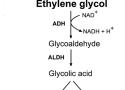
The minimum lethal dose of undiluted ethylene glycol is 1.4 mL/kg in cats, 4.4–6.6 mL/kg in dogs, 7–8 mL/kg in poultry, 2–10 mL/kg in cattle, 1.6 mL/kg in macaques, and 6.61 mL/kg in guinea pigs. Younger animals may be more susceptible. //
Once absorption has occurred, excretion of ethylene glycol is increased by fluid therapy designed to correct dehydration, increase urine production, and compensate for expected future losses. Fluid rates should be reassessed often to accommodate changes in hydration and status of ongoing losses. //
Cats require a higher (and extra-label) dosage 4-MP than dogs: 125 mg/kg initially, followed by 31.3 mg/kg at 12, 24, and 36 hours after the initial dose. Alternatively, ethanol can be administered, using a bolus protocol of 5 mL of 20% ethanol per kg body wt diluted in IV fluids and administered as a drip over 6 hours for five treatments, and then over 8 hours for four more treatments.
Lastly, for both dogs and cats, 30% ethanol can be administered at 1.3 mL/kg, IV bolus, followed by 0.42 mL/kg per hour constant-rate infusion for 48 hours. This approach may increase ease of monitoring and the maintenance of blood glucose levels. CNS signs may be less likely to wax and wane.

