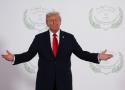
“Having the ability to deal with trade, having the ability to use tariffs to help me make a point,” he said.
“The tariffs have brought peace to the world, I’m telling you. They have brought peace to the world.”
Of the seven — soon to be eight — conflicts Trump has resolved in the first year of his second term, five of them were settled “through trade,” he said.
“We are not going to deal with people that fight,” he declared — and that firm rule “gives you a tremendous road to peace and saving millions of lives.” //
It was a revealing moment that showed us just how deeply Trump has tied his domestic program and his foreign policy priorities together.
The president designed his tariff regime to reshore manufacturing and end the fleecing of America by countries that flood our markets with their cheap goods while putting a tax on our exports.
But he’s simultaneously using it to accomplish all manner of policy wins — from stemming the free flow of fentanyl across our southern border to bringing India and Pakistan to the negotiating table to forcing Pfizer to lower the cost of prescription drugs.
His Middle East peace plan is just the latest example. //
Previous administrations based their Middle Eastern forays on the fiction of shared values, or the fantasy of exporting American-style representative democracy to people who don’t want it.
They spent trillions of taxpayer dollars and sacrificed thousands of American lives in service to these foolhardy notions.
Trump doesn’t believe in shared values — he believes in sharing value.
He’s not bent on exporting democracy, but on exporting exports. //
And by intertwining the US economy with theirs, Trump was signaling the kind of friendship whose currency runs much deeper than the fictional shared values of previous administrations.
For Trump, the currency is, well, currency.
His moves to solidify friendship via joint economic prosperity and shared interests were crucial to getting the Middle East deal done.

