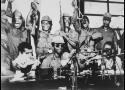
In 1971, Rev. Dr. William R. Tolbert Jr. became President of Liberia following the death of President William V. S. Tubman Sr. Departing from his predecessors, Tolbert sought to root out corruption and close the divide between the ruling class of America-Liberians, and the indigenous majority who had been marginalized since the republic's founding in 1847. Tolbert's reforms faced resistance from two fronts: entrenched elites and Western powers who saw their influence diminished, and the ethnic majority who regarded his agenda as too halting. By the late 1970s, domestic hardships set Tolbert's presidency in crisis. On April 12, 1980, the unrest erupted into a full-scale military coup when soldiers stormed the Executive Mansion killing President Tolbert and ending more than a century of Americo-Liberian rule. This was followed by the public executions of thirteen cabinet members on April 22, 1980. This is the untold story of Africa's least known reformer and the enduring societal aftermath of his murder.
7643 shaares

