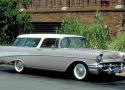
Then, in the mid '70s, the federal government instituted the corporate average fuel economy (CAFE) standards, and at a stroke, all those huge station wagons weren't being built anymore. But there was a loophole: Light trucks had a more lax standard, which led to the rise of minivans and SUVs. People want big vehicles, and they're going to have them.
Now, though, in the One Big Beautiful Bill (OBBB), Congress pulled a good one - they didn't repeal the CAFE standards, but they zeroed out the fines manufacturers pay for exceeding them. //
Obama imposed a fuel economy mandate that was supposed to hit 54.5 mpg for cars and light-duty trucks by 2025, which, as we pointed out in the pages of Investor’s Business Daily at the time, was designed to force EVs onto the market, because even compact hybrid cars can’t get that kind of mileage. //
Trump is again planning to roll the CAFE standards back. But Congress did him one better. Rather than wait for regulators to rewrite the rule, which can take years and be subject be endless lobbying and litigation from various interest groups – lawmakers simply zeroed out the penalty as part of the One Big Beautiful Bill.
Now, if a car company sells cars that, on average, exceed whatever the fuel-economy limit is technically in force in a given year, they pay… nothing.

