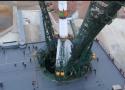
The damage will therefore test the current leaders of Russia. How committed are they to the International Space Station partnership with NASA? Before, they were willing to play out the string to 2030 and the end of the station’s lifetime, but that required minimal investment in new capabilities. In fact, Russia recently cut the number of crewed Soyuz missions to the station from four every two years down to three, to save money. Now they must devote significant resources to the Soyuz program critical to the ISS.
“This is a real-life test of their resilience,” Jeff Manber, a senior Voyager official and former Nanoracks chief executive with long-time expertise in Russia’s space program, told Ars. “We are going to learn just how important the ISS is to leadership there.” //
The at least temporary loss of Site 31 will only place further pressure on SpaceX. The company currently flies NASA’s only operational crewed vehicle capable of reaching the space station, and the space agency recently announced that Boeing’s Starliner vehicle needs to fly an uncrewed mission before potentially carrying crew again. Moreover, due to rocket issues, SpaceX’s Falcon 9 vehicle is the only rocket currently available to launch both Dragon and Cygnus supply missions to the space station. For a time, SpaceX may also now be called upon to backstop Russia as well.

