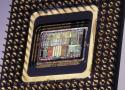
More than 36 years after the release of the 486 and 18 years after Intel stopped making them, leaders of the Linux kernel believe the project can improve itself by leaving i486 support behind. Ingo Molnar, quoting Linus Torvalds regarding "zero real reason for anybody to waste one second" on 486 support, submitted a patch series to the 6.15 kernel that updates its minimum support features. Those requirements now include TSC (Time Stamp Counter) and CX8 (i.e., "fixed" CMPXCH8B, its own whole thing), features that the 486 lacks (as do some early non-Pentium 586 processors).
It's not the first time Torvalds has suggested dropping support for 32-bit processors and relieving kernel developers from implementing archaic emulation and work-around solutions. "We got rid of i386 support back in 2012. Maybe it's time to get rid of i486 support in 2022," Torvalds wrote in October 2022. Failing major changes to the 6.15 kernel, which will likely arrive late this month, i486 support will be dropped.
Where does that leave people running a 486 system for whatever reason? They can run older versions of the Linux kernel and Linux distributions. They might find recommendations for teensy distros like MenuetOS, KolibriOS, and Visopsys, but all three of those require at least a Pentium. They can run FreeDOS. They might get away with the OS/2 descendant ArcaOS. There are some who have modified Windows XP to run on 486 processors, and hopefully, they will not connect those devices to the Internet.

