The idea of a language that consists entirely of allegories — of references to heroic tales and historical incidents — has been analyzed at some length by academic linguists. There is a peer-reviewed scientific paper called "Darmok and Jalad on the Internet." While there is no such language on Earth, we in fact use a lot of allegories in everyday speech. People speak of "Road to Damascus conversions" (Paul on the road to Damascus) and Washington at Valley Forge. Caesar at the Rubicon. We all know what these events were, and we know that we are not to take them literally, but as symbols of a sudden change in life's purpose, or having to endure extreme hardship on the way to victory.
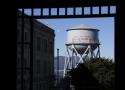
Let me suggest that this is how President Trump's head works. He quite often speaks in allegories. When Trump says he wants to reopen Alcatraz, he is not referring to that overgrown rock in San Francisco Bay, but to the Alcatraz that we all know as the storied (and movied) cage for the worst of the worst, the place from which no one escapes. Everyone in our culture knows what Alcatraz is. If Trump had said he wants to expand Atwater, no one would have paid any attention. The Democrats and their media wouldn't have gone berserk. Trump's plea for prison expansion would have died right there. Instead we got several days of people telling us how stupid re-opening Alcatraz would be, followed by, "Well, maybe not Alcatraz, but how about expanding the SuperMax?" //
I suspect the Qatari jumbo jet is another allegory. He can get a new Air Force One from some backwater in the Middle East faster than he can from Boeing. In case people don't know this, it shouldn't be like that. (In fact, it isn't, and he almost certainly knows it. Turning a plain-vanilla 747 into a VC-25 would cost billions and take longer than waiting for Boeing.) But somebody needs to light a fire under Boeing, and he's trying.

